One of the defining characteristics of Hapag-Lloyd Cruises is the size of its fleet.
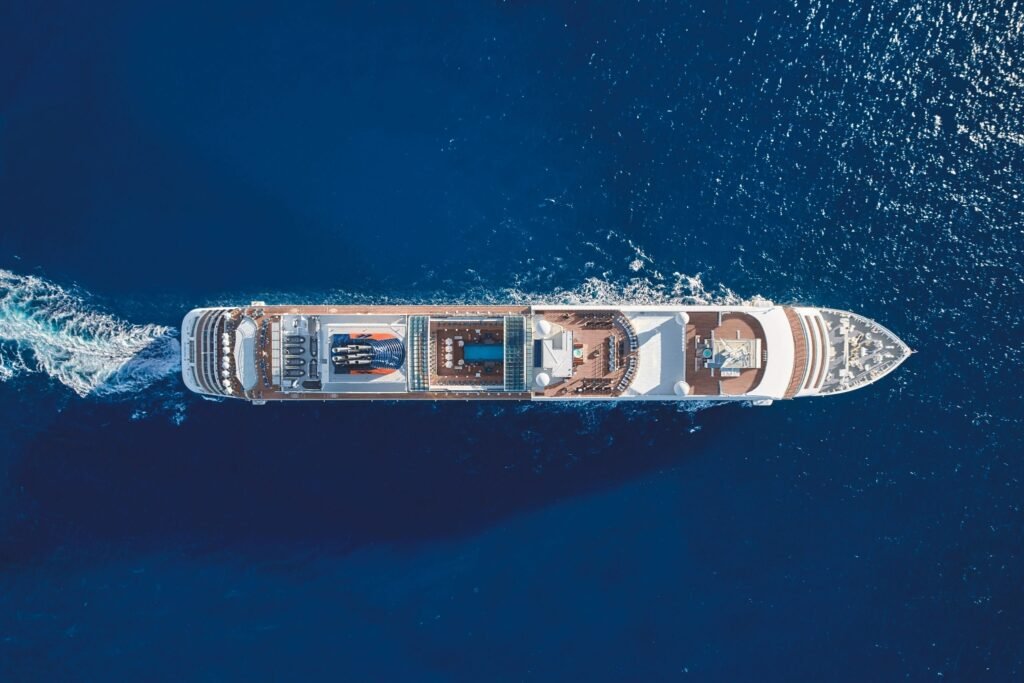
Most large cruise ships carry several thousand guests. By comparison, the ships in this fleet typically carry between around 199 and 500 guests depending on the vessel and the destination it is in. This smaller scale changes where the ships can travel and how the journey unfolds.
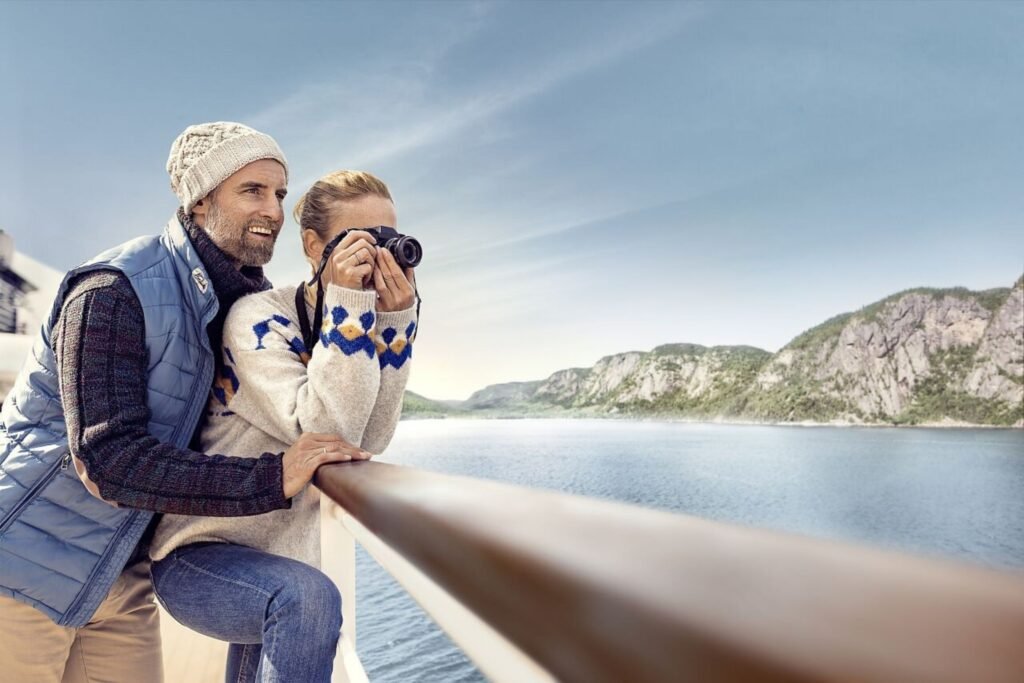
Smaller ships can dock directly in ports that are inaccessible to larger vessels. Historic harbours, island communities and environmentally sensitive regions often restrict the size of ships that can visit.
This creates itineraries that look quite different from the standard cruise map.
Examples include:
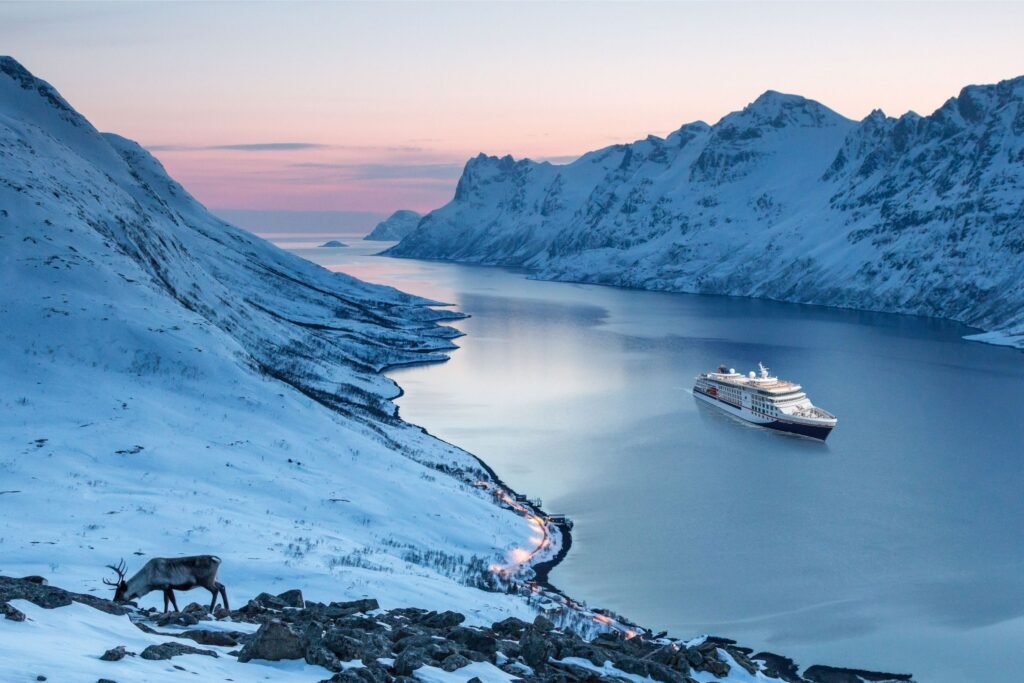
· Small coastal towns along Norway’s fjords
· Remote settlements in Greenland
· Island communities in Scotland’s Outer Hebrides
· Smaller Baltic ports where ships dock within walking distance of historic centres
For travellers who have already explored Europe’s major ports, these routes provide a deeper perspective on the region.
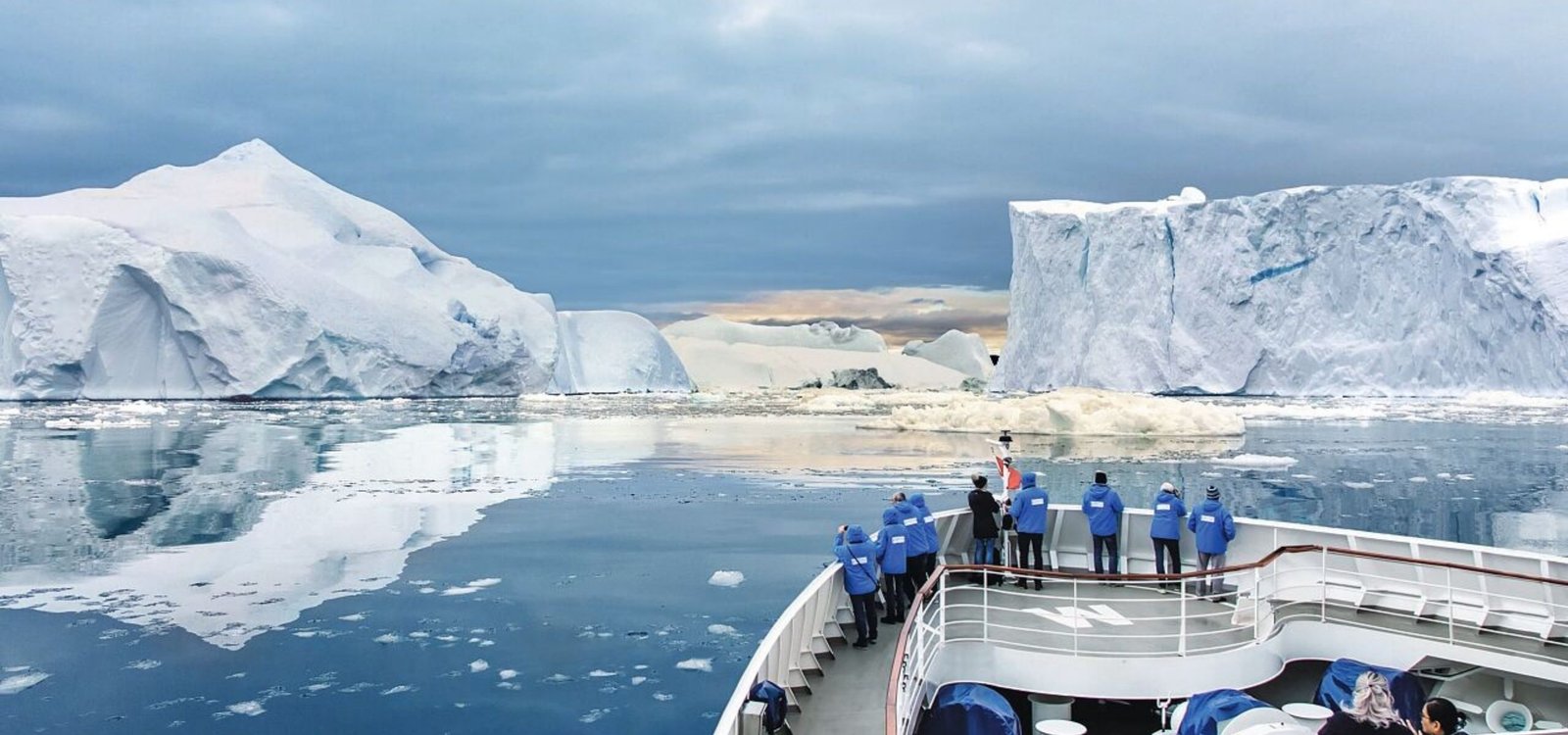
Alongside its ocean cruise ships, the line operates a fleet of three expedition vessels built specifically for remote regions.
The HANSEATIC inspiration, HANSEATIC spirit and HANSEATIC nature are equipped with ice-strengthened hulls, Zodiac landing craft and onboard expedition teams and travel to destinations where flexibility and expertise are essential.
Among the regions explored are:
· Antarctica
· Greenland and the Arctic
· Alaska
· South Pacific
· The Kimberley
· The Amazon River
· The Great Lakes of North America
On these voyages, guests travel ashore by Zodiac with naturalists, historians and scientists who provide context for the landscapes and wildlife encountered along the way.
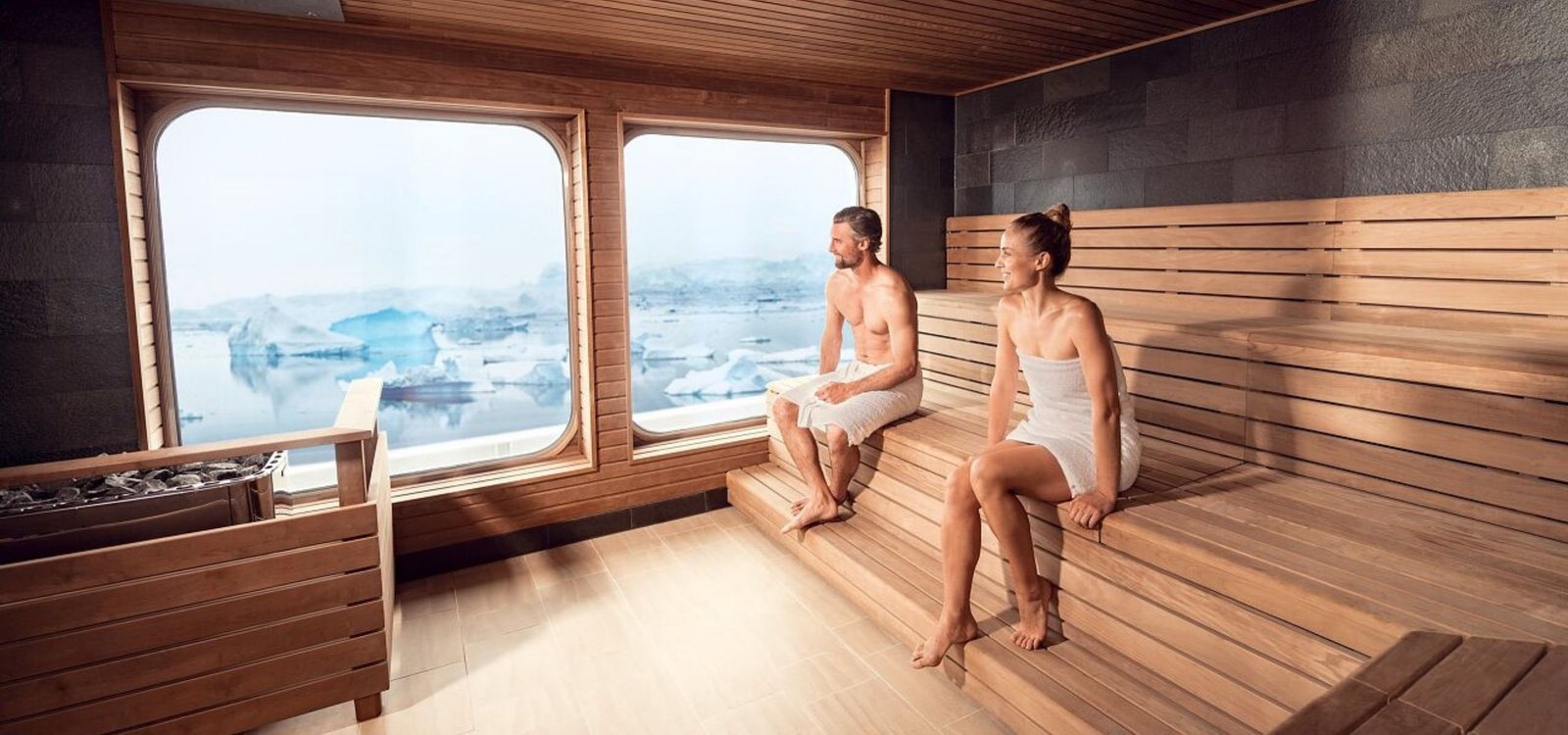
Despite their expedition capability, these ships maintain a high level of comfort. Suites feature private verandas, multiple restaurants offering varied cuisine and onboard facilities include a spa, fitness area, glass viewing platforms, 24/7 bow and lounges designed for wildlife viewing.
The result is a journey that combines exploration with the comfort expected in luxury travel.
Another reason experienced cruisers are discovering Hapag-Lloyd Cruises lies in the itineraries themselves. Many cruise lines repeat similar routes each season. While these destinations remain popular, seasoned travellers often seek something different. The voyages offered by this line frequently focus on regions that are less commonly visited by cruise ships. Examples include:
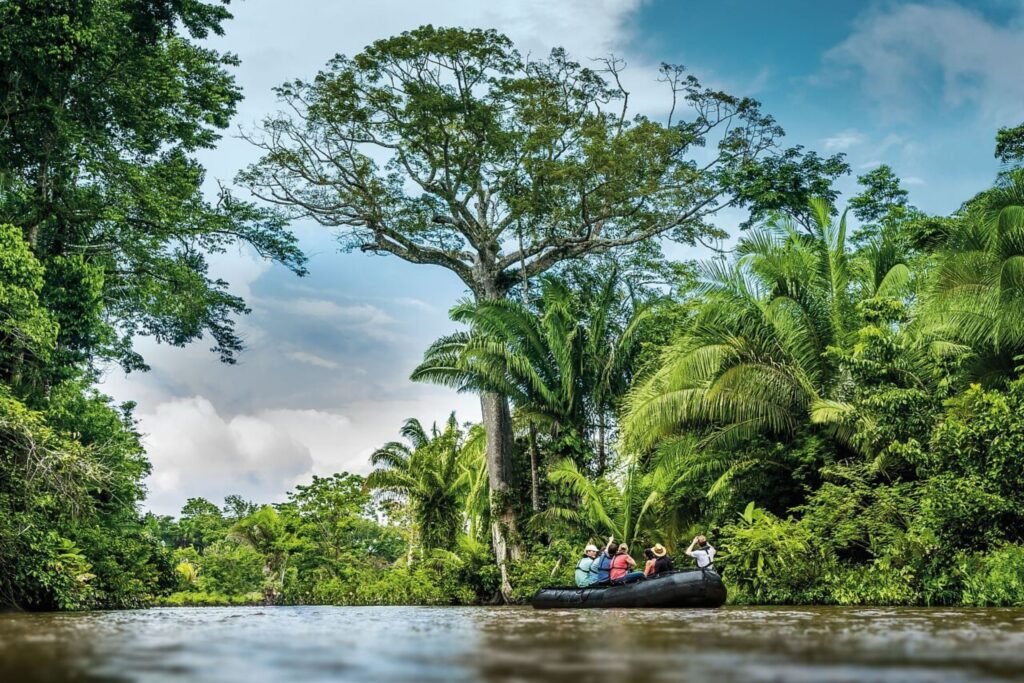
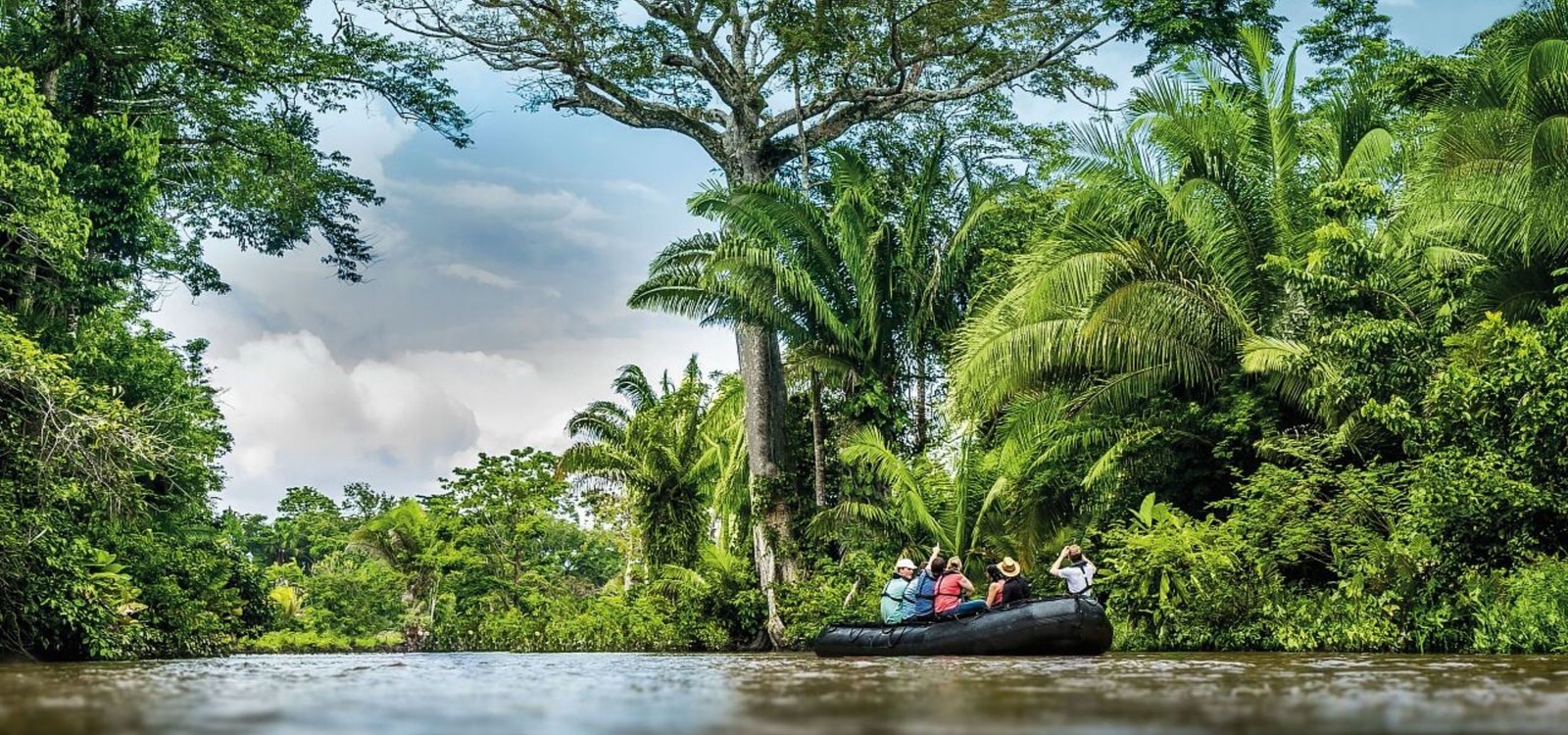
One of the most remarkable journeys available travels the navigable length of the Amazon between Belém in Brazil and Iquitos in Peru. Few cruise ships operate this route due to the logistical complexity and the narrow waterways of the river system.
Guests travel by Zodiac into rainforest tributaries, visit riverside communities and encounter wildlife including macaws, sloths and river dolphins.
Another unusual voyage explores the Great Lakes, the largest freshwater system on the planet. These itineraries connect cities such as Toronto, Detroit and Chicago while also exploring national parks, coastal towns and historic waterways.
One highlight is transiting the Welland Canal, where the ship passes through a series of locks to bypass Niagara Falls.
Greenland remains one of the least visited regions accessible by cruise ship. Expedition voyages explore towering fjords, icebergs and small settlements along the island’s vast coastline. Wildlife sightings may include whales, seabirds and polar bears.
These voyages operate during the Arctic summer when ice conditions allow ships to explore remote areas.
South America’s southern coastline offers a dramatic combination of glaciers, fjords and remote national parks. Voyages through the Chilean fjords include scenic cruising past massive glaciers and visits to wildlife colonies where penguins, seals and seabirds thrive.
For travellers who have already explored South America by land, seeing Patagonia from the water provides a very different perspective.
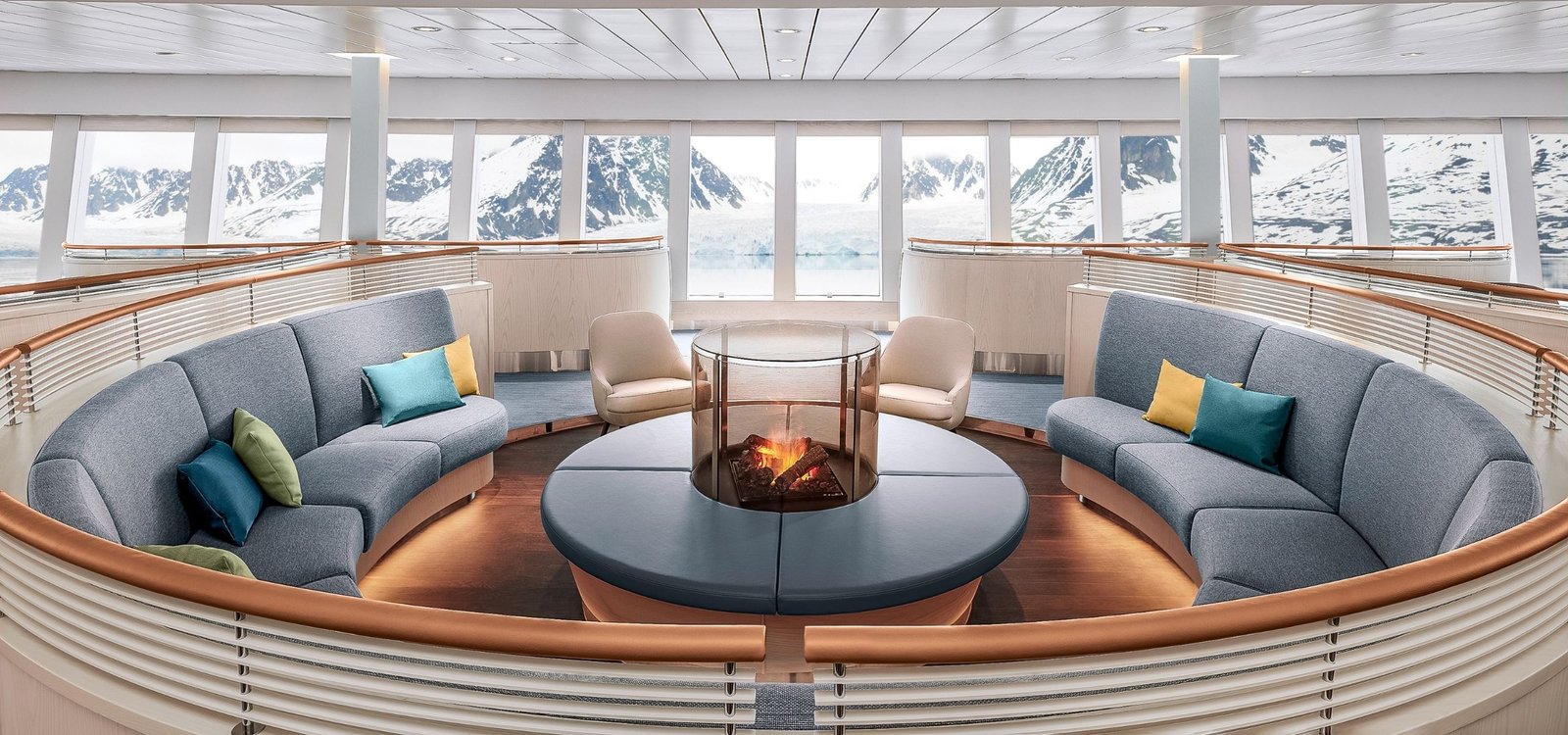
Beyond the destinations, the onboard atmosphere also sets these ships apart.
With fewer guests on board, public spaces remain relaxed. Lounges, observation decks and restaurants rarely feel crowded, even when the ship is fully booked.
Service also becomes more personal in this environment. Crew members quickly learn guests’ preferences and the overall atmosphere feels more like a private club than a busy resort.
Dining plays an important role in the onboard experience. Ships feature several restaurants offering different culinary styles, without fixed seating times. This allows guests to dine when they prefer and choose from a range of cuisines during the voyage.
Suites are also generous in size, with most offering private verandas and spacious living areas.
For travellers accustomed to large ships, this scale can feel refreshingly calm.
Another characteristic that distinguishes Hapag-Lloyd Cruises is its European heritage. The line originated in Germany and has long been recognised within the European luxury cruise market.
More recently, the brand has begun welcoming a broader international audience. For travellers in Australia and New Zealand, this presents an opportunity to experience a cruise line that has previously been less widely known in the region.
This European influence is reflected in several aspects of the experience, including cuisine, design and the overall style of service on board.
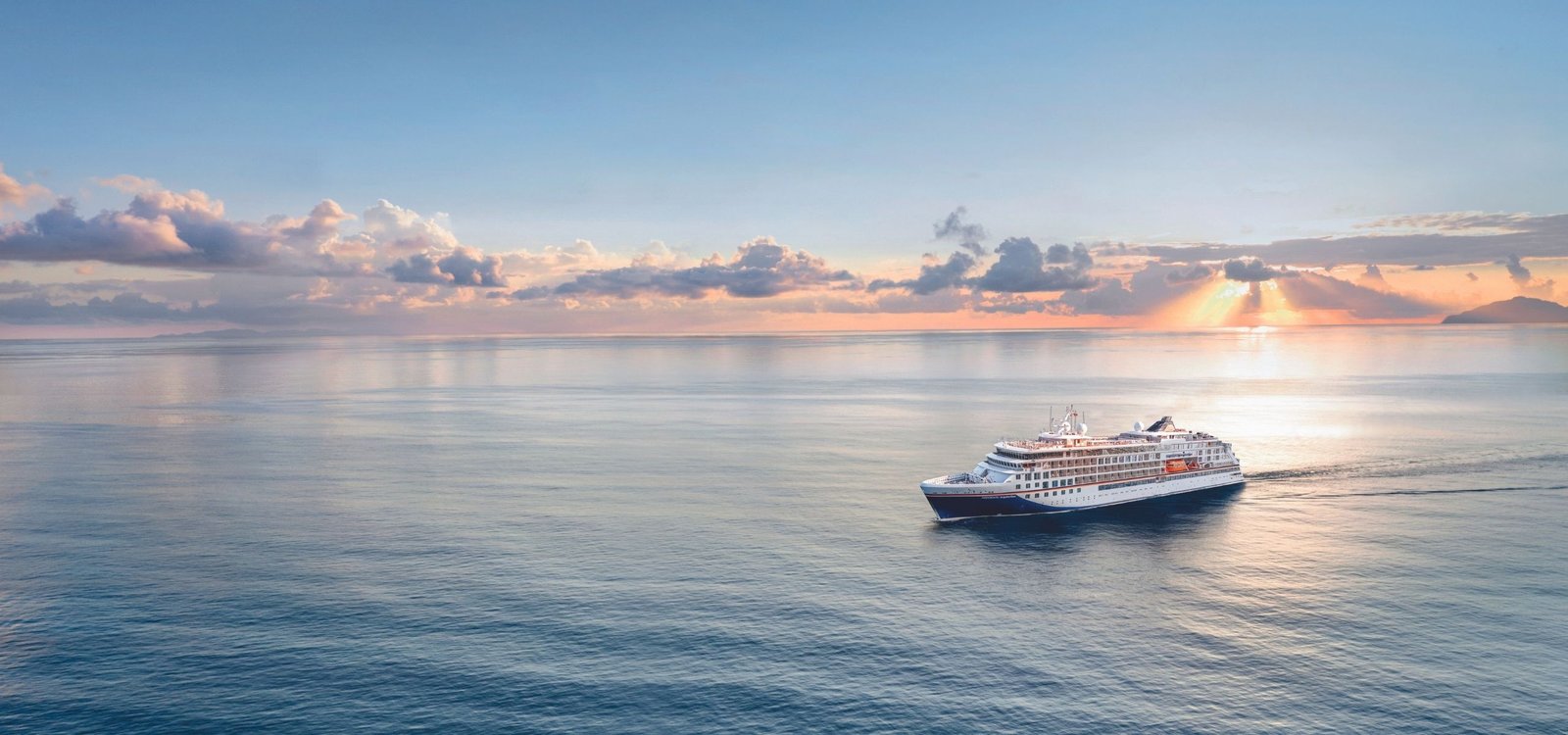
For many travellers, the appeal of this style of cruising becomes clear once they experience it for themselves. Smaller ships allow access to destinations that larger vessels cannot reach. Expedition capabilities open the door to remote regions. At the same time, the onboard environment maintains the comfort and service expected from luxury travel.
For those who have already travelled widely by sea, these elements combine to create a style of journey that feels fresh and engaging. As more experienced travellers search for new ways to explore the world, it is no surprise that Hapag-Lloyd Cruises is gaining attention among those looking for their next voyage.