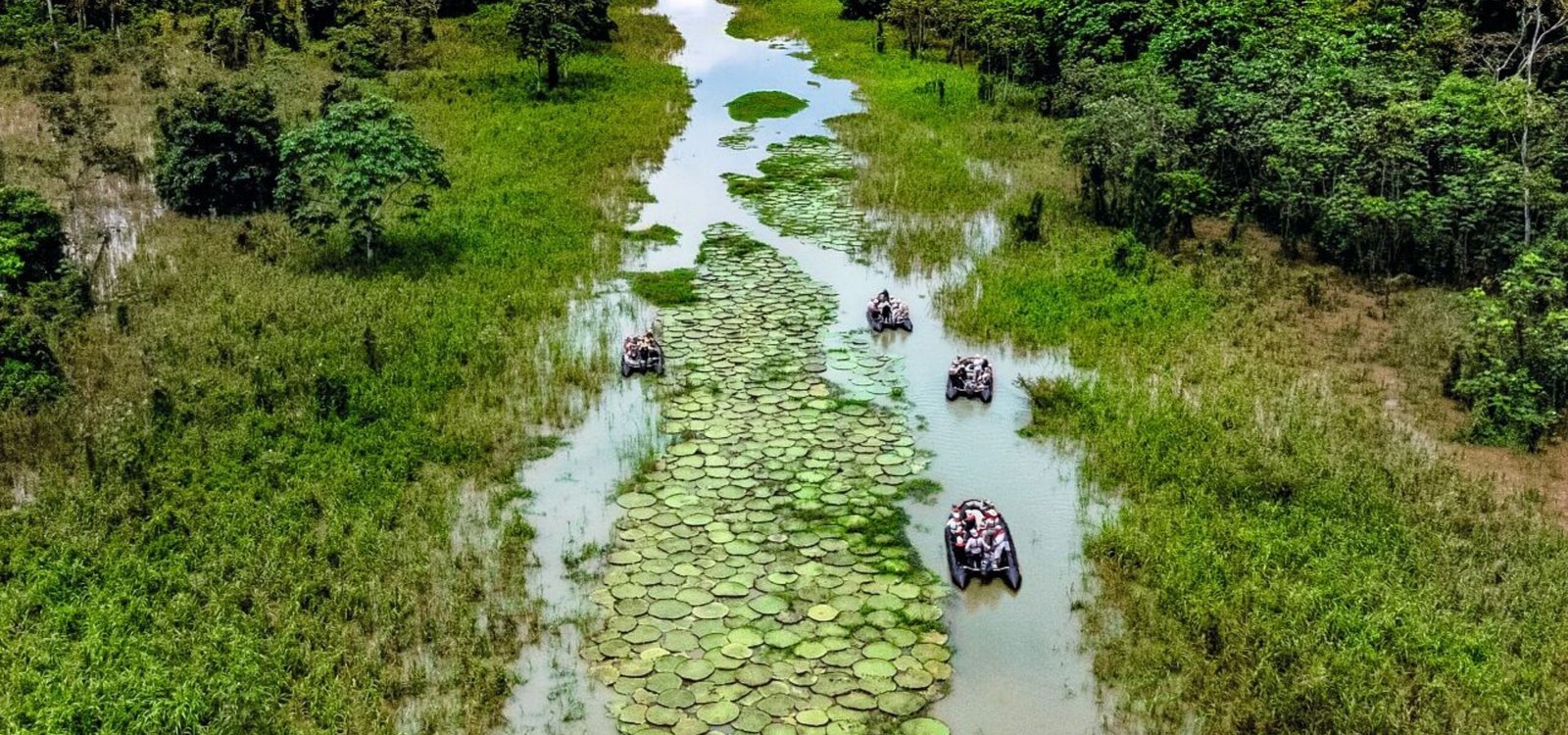
The Amazon remains one of the most fascinating waterways on Earth, and one of the least accessible by cruise. Few operators travel deep into the river system, largely due to draught restrictions, changing water levels and the sheer logistical complexity of running a ship in such a remote environment for weeks at a time.
Hapag-Lloyd Cruises operates two voyages each year travelling the full length of the Amazon between Belém in Brazil and Iquitos in Peru, a journey of several thousand kilometres upriver. Along the way, the itinerary moves through a changing landscape, from the wide river mouth near the Brazilian coast to the narrower, more densely forested channels closer to the Peruvian border.
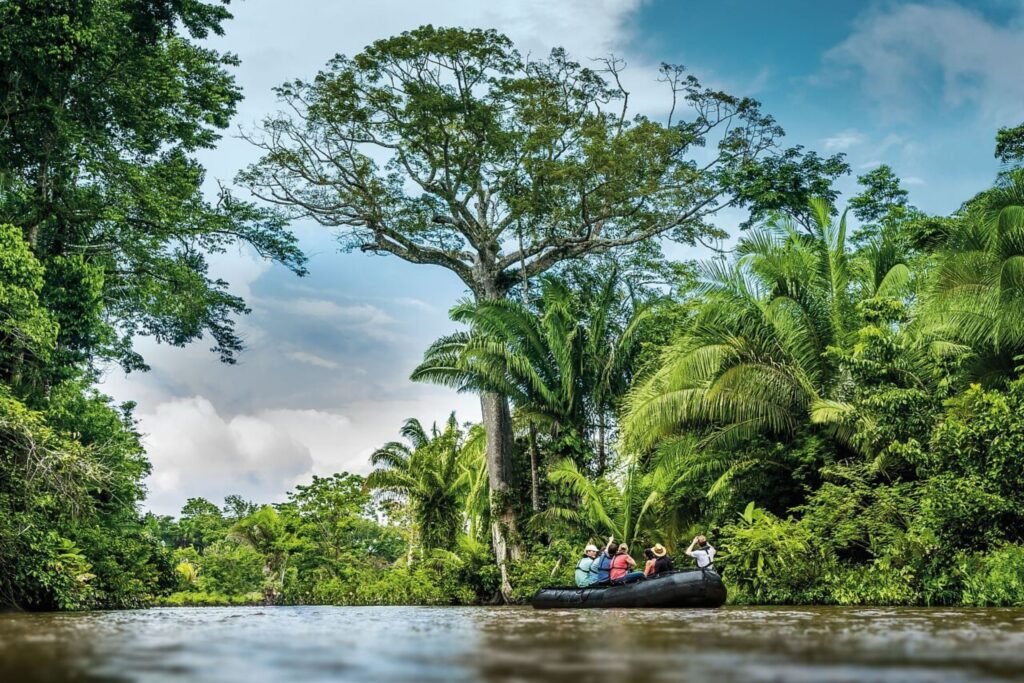
Guests explore rainforest waterways by Zodiac, often departing before sunrise when wildlife activity is at its peak, and visit riverside communities where local guides explain daily life along the river. Sightings regularly include pink river dolphins, macaws, sloths, caimans and a wide range of birdlife, with onboard naturalists on hand throughout the voyage to put what guests are seeing into context. Because the ship anchors well beyond the more heavily visited stretches nearer the coast, much of the journey passes through areas rarely seen by other cruise passengers.
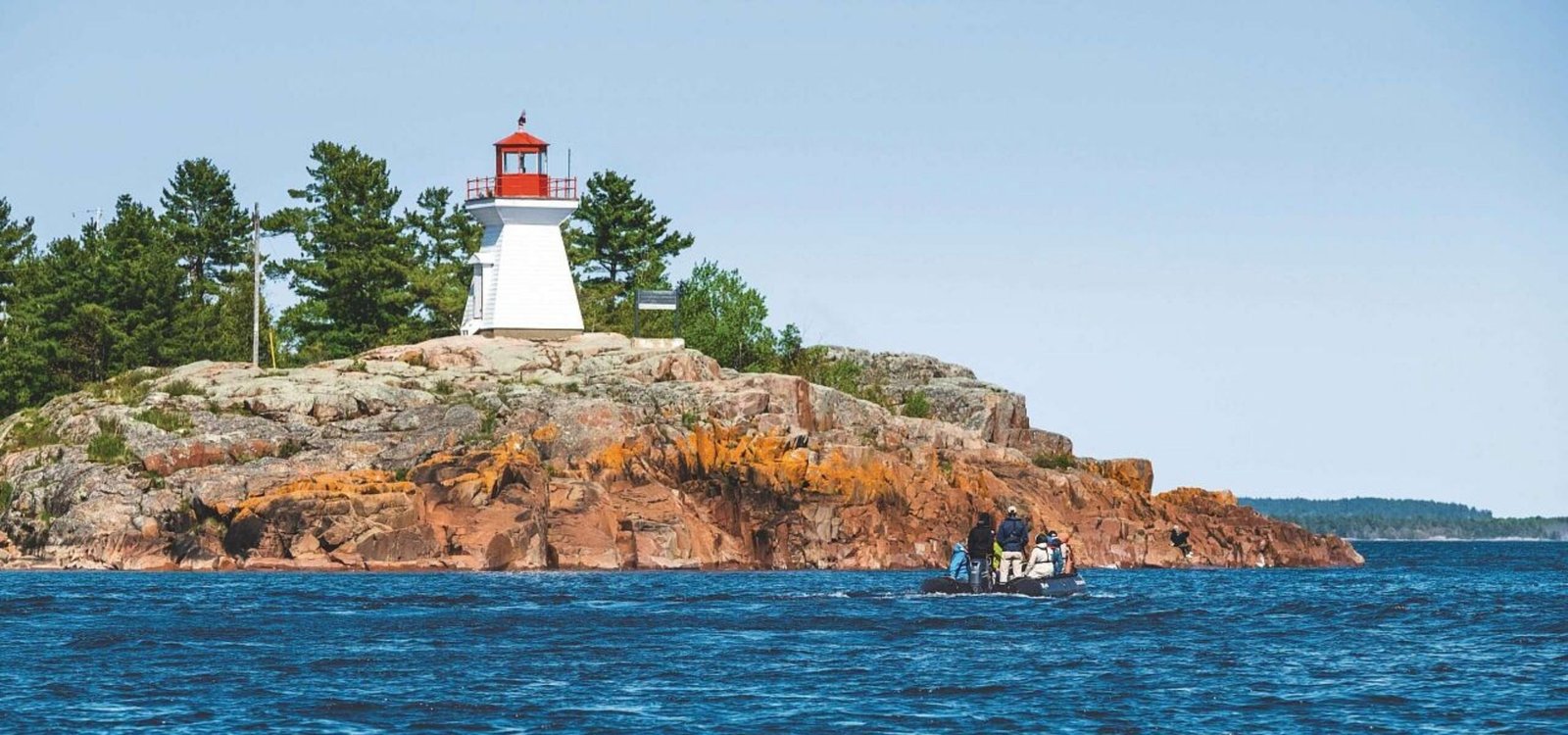
The Great Lakes form the largest connected freshwater system on Earth by surface area, yet relatively few ships operate here. The narrow channels, shallow inland waters and numerous lock passages make it a genuinely difficult region to navigate, which is exactly why it has remained largely untouched by mainstream cruising.
The HANSEATIC fleet is purpose-built for this kind of navigation, with retractable bridge wings that allow it to pass through the lock systems connecting the lakes. Standard voyages link cities such as Toronto, Detroit, Chicago and Milwaukee with quieter coastal parks and historic lakeside settlements, and a highlight for most guests is the transit of the Welland Canal, where the ship is raised and lowered through a series of locks to bypass Niagara Falls.
From 2027, Hapag-Lloyd Cruises is going further still, introducing new 21-day voyages between Milwaukee and Halifax that connect all five Great Lakes with a passage along the St Lawrence River, a route no other cruise line currently offers on a single voyage. It is a rare opportunity to experience the full scale of the Great Lakes system, along with the lock passages, Zodiac excursions and cultural stops along the St Lawrence that come with it.
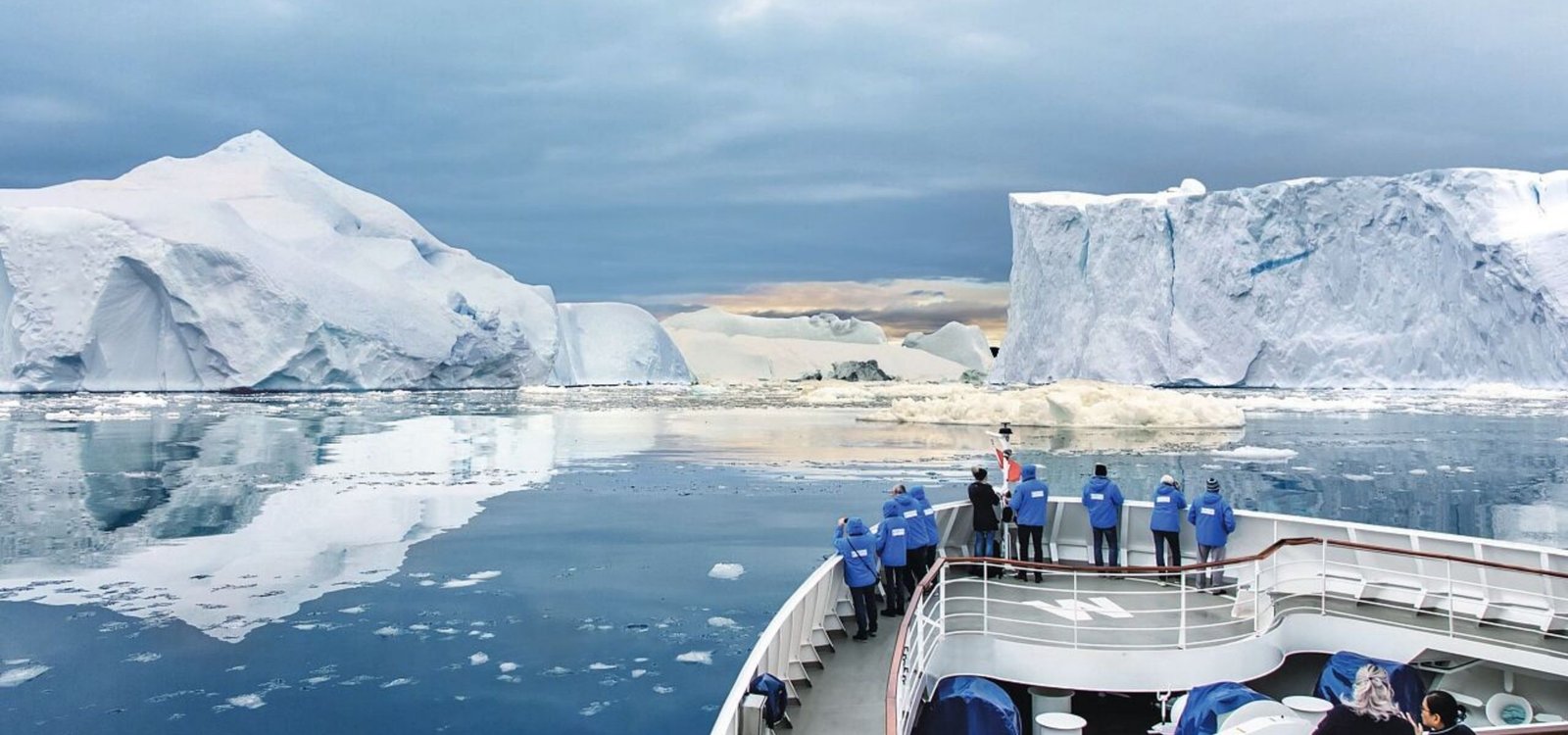
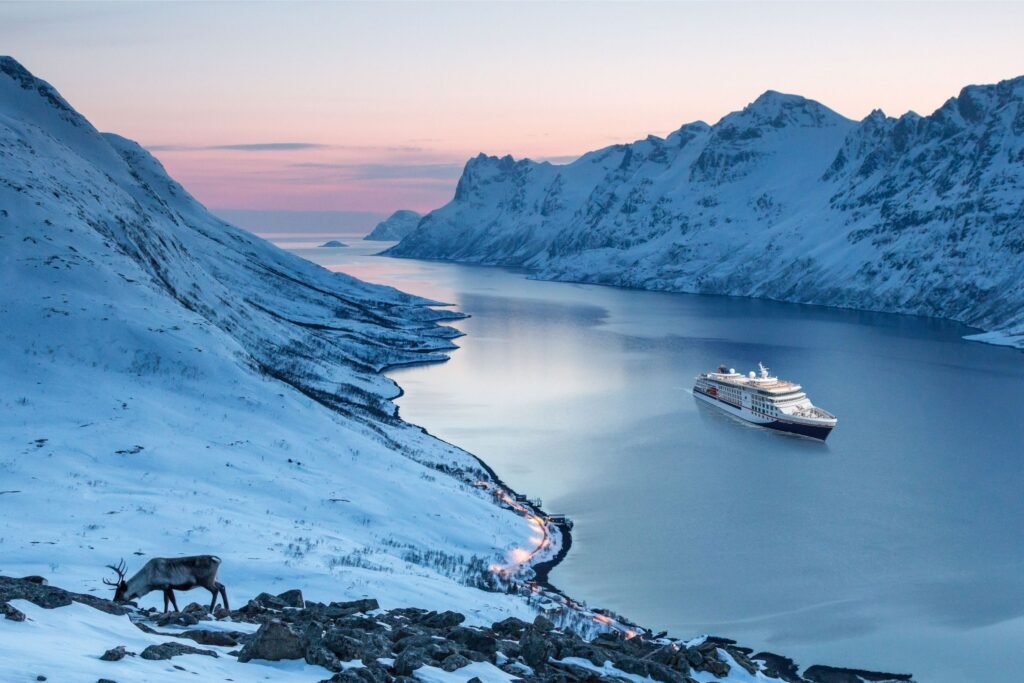
Greenland remains one of the least visited destinations accessible by cruise. Voyages here explore vast fjord systems, drifting icebergs and remote settlements along the Greenland coast, with days built around Zodiac landings rather than fixed port schedules, since conditions in the Arctic can change quickly.
Onboard scientists and expedition leaders accompany every voyage, offering context on the region’s geology, wildlife and polar history through daily briefings and lectures. Whales, polar bears and large colonies of seabirds are frequent sightings, and the scale of the landscape, sheer ice cliffs, open water and small Inuit communities, tends to leave a lasting impression even on well-travelled guests.
These voyages operate during the Arctic summer, when sea ice conditions open up access to the more remote fjords and channels. A Greenland expedition with Hapag-Lloyd Cruises does not simply pass through, stopping at one or two ports; it is built around a thorough exploration of the country’s west and east coasts, giving guests considerably more time in the region than a typical single-stop itinerary would allow.
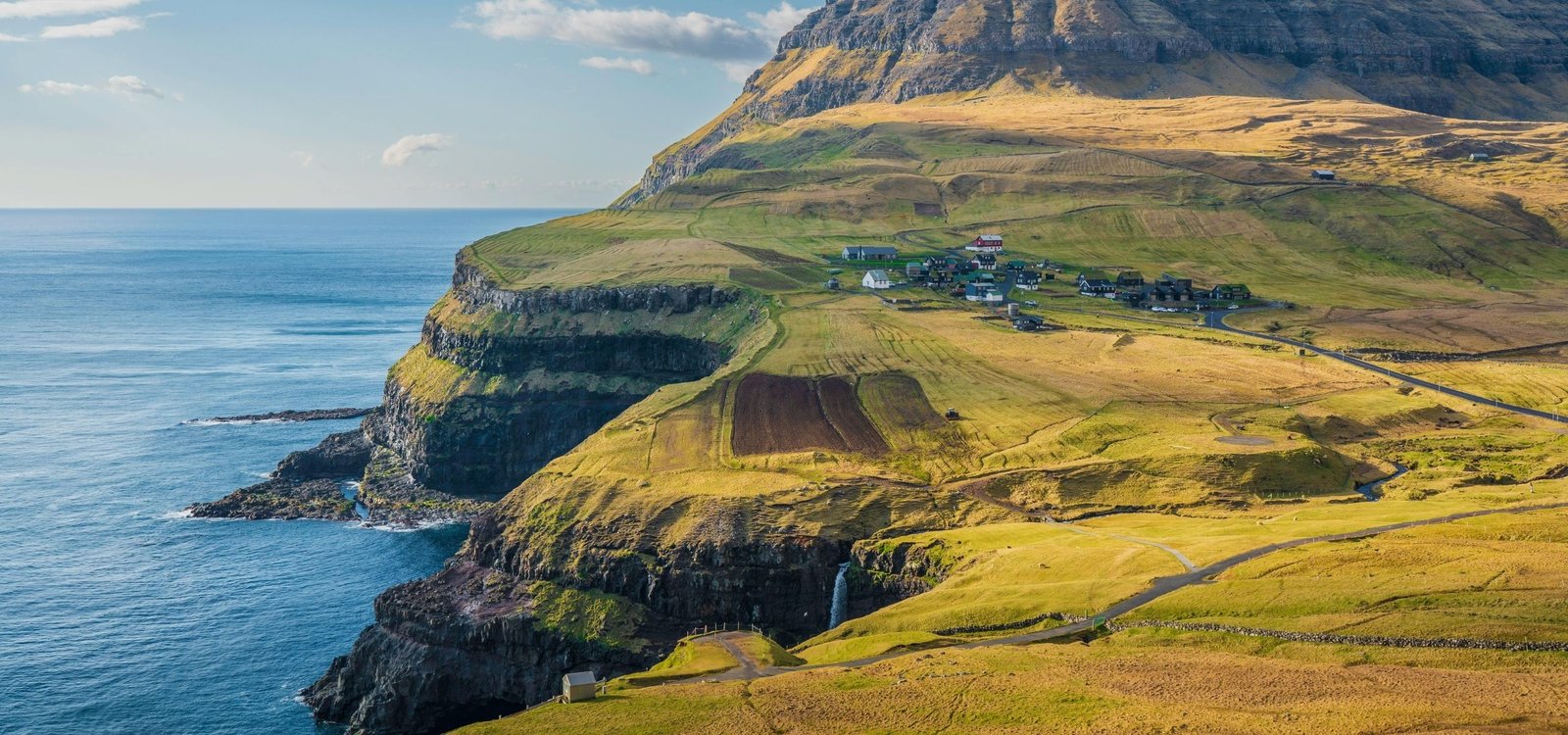
Even experienced travellers often overlook the northern reaches of the United Kingdom. Cruise routes through Scotland’s remote islands reveal landscapes and cultures quite different from mainland Britain, with a slower pace and a strong sense of history in every port.
Itineraries may include:
These regions feature archaeological sites that predate Stonehenge, protected wildlife reserves home to puffins, seals and seabird colonies, and small coastal communities rarely visited by larger ships. Because Hapag-Lloyd’s ships are built to a smaller scale, they can reach harbours that simply aren’t accessible to mainstream cruise vessels, meaning a more direct, less crowded experience of each destination. It’s a region where the appeal lies less in headline sights and more in the accumulation of quiet, distinctive places along the way.
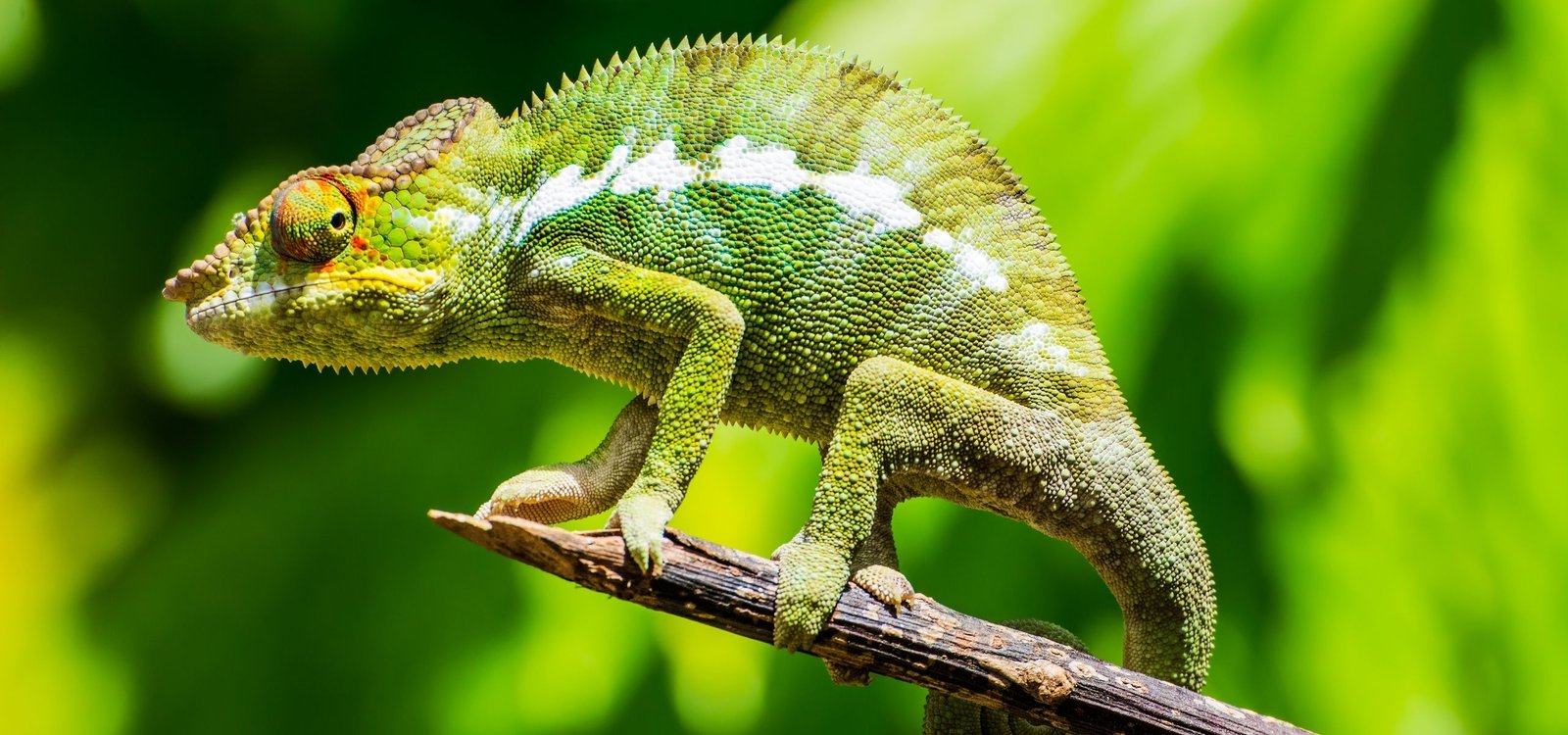
For travellers who want wildlife, coastline and culture in a single voyage, South Africa and Madagascar make a compelling pairing, and one that few mainstream cruise lines attempt.
South African itineraries typically sail from Cape Town, taking in the dramatic coastal scenery of the Garden Route and stops such as Mossel Bay, along with opportunities to combine the cruise with a pre- or post-voyage safari to see the Big Five, lion, elephant, rhinoceros, leopard and buffalo, in their natural habitat. Cape Town itself, with Table Mountain as a backdrop, is one of the more dramatic embarkation ports in the Hapag-Lloyd fleet.
From Cape Town, expedition voyages continue north-east into the Indian Ocean toward Madagascar, an island long isolated from mainland Africa and home to wildlife found nowhere else on Earth. Shore excursions focus on Madagascar’s forests and coastline, where guests have the chance to see lemurs and the island’s distinctive baobab trees, alongside visits to local villages along the route. HANSEATIC ships, purpose-built for expedition-style travel, are equipped for these landings and are also used for extended Indian Ocean itineraries that take in the Seychelles and the remote Aldabra Atoll, one of the least disturbed coral atolls in the world.
Because these voyages combine two very different environments, the arid, dramatic coastline of South Africa and the tropical biodiversity of Madagascar, they offer a genuinely varied itinerary rather than a single destination experience.

For travellers who feel they have cruised extensively, these five destinations offer something new. Remote landscapes, wildlife encounters and smaller communities create a very different style of voyage, one built around depth and access rather than ticking off well-known ports.
The itineraries operated by Hapag-Lloyd Cruises focus on precisely these regions, giving experienced travellers the opportunity to explore parts of the world that remain largely untouched by mainstream cruising. A recommended cruise expert can help match the right voyage, ship and season to whichever of these destinations appeals most.