
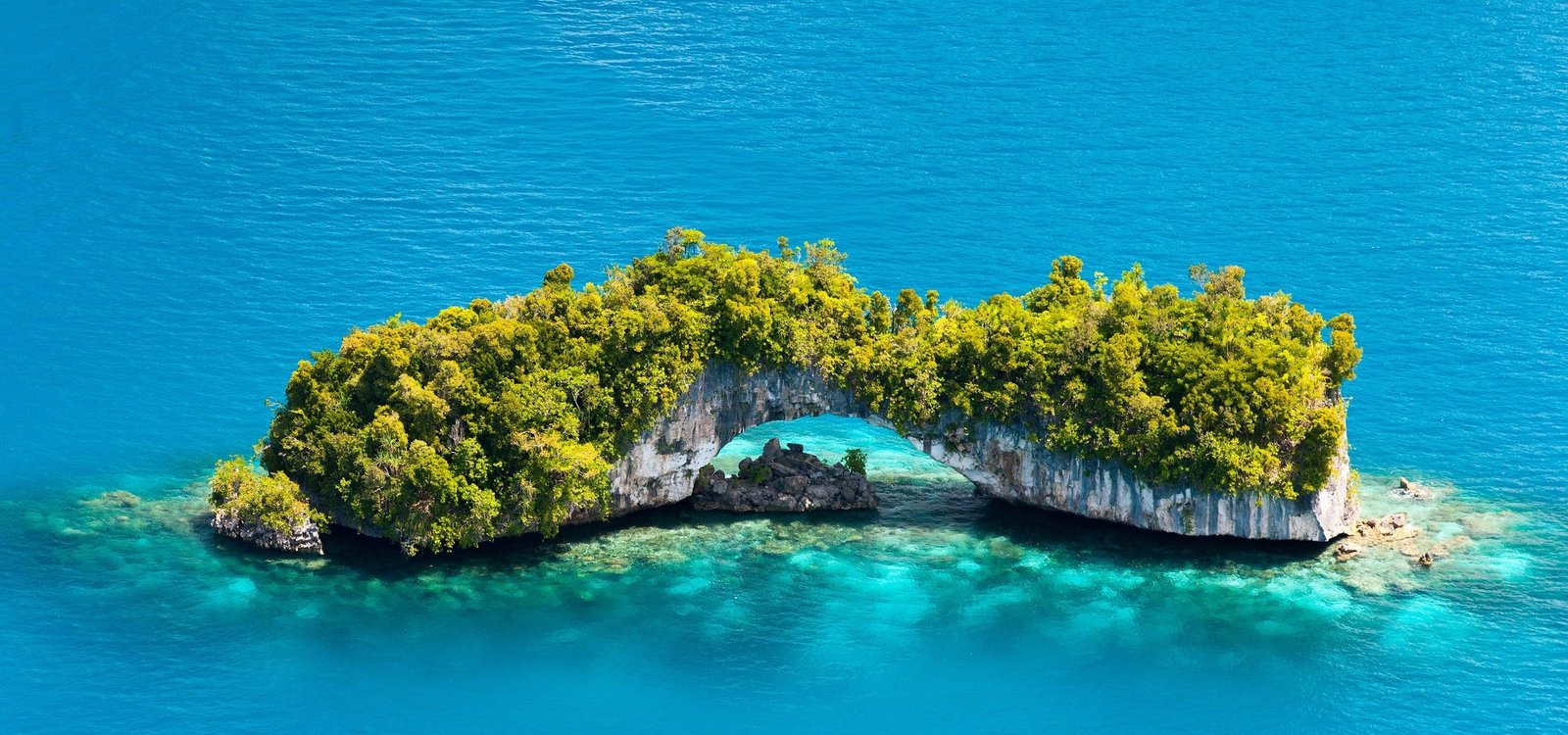
Few parts of the Pacific stay as untouched by cruising as the waters between New Caledonia and Palau, and Hapag-Lloyd’s HANSEATIC spirit is one of the only ships built small enough to get in close. The route threads through some of the most culturally distinct communities left in the region, places where a handful of visitors a year, rather than a handful a day, is still the norm.
In the Solomon Islands, a village elder welcomes guests ashore on Nendo, while on Santa Ana Island a beach landing is met by warriors in full ceremonial dress, spears and all, a welcome that has changed little in generations. Onward through Papua New Guinea, the ship reaches the Trobriand Islands, where Kitawa’s residents still trade shell jewellery under a centuries-old exchange system rather than currency, and the Sepik River delivers guests by Zodiac to the village of Kopar, home to some of the region’s most recognised wood carvers.
These aren’t places that have been shaped around tourism, because so few outsiders have ever made the trip. For travellers who want a cruise built around genuine cultural contact rather than a beach day, this stretch of the Pacific is about as far from the ordinary itinerary as it gets.
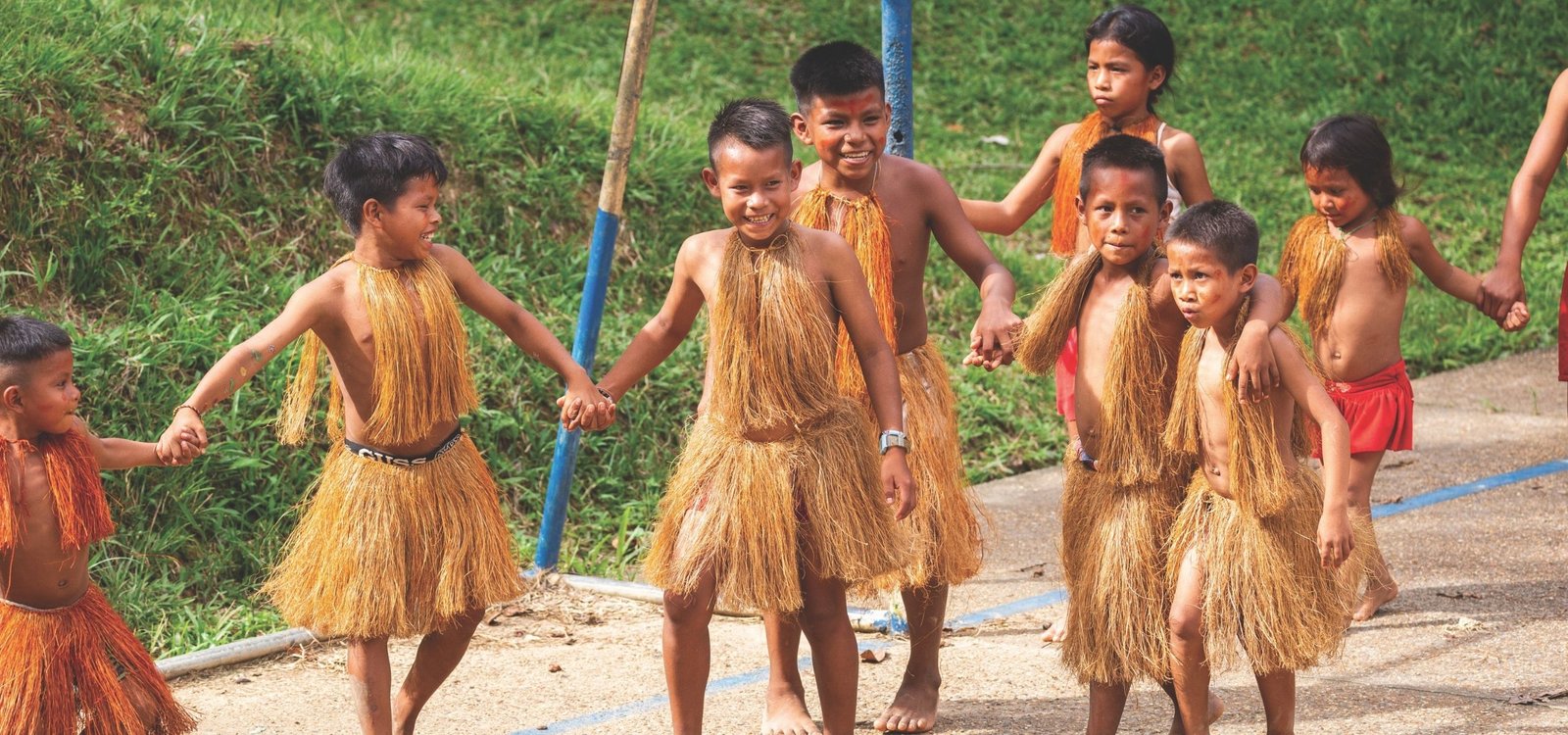
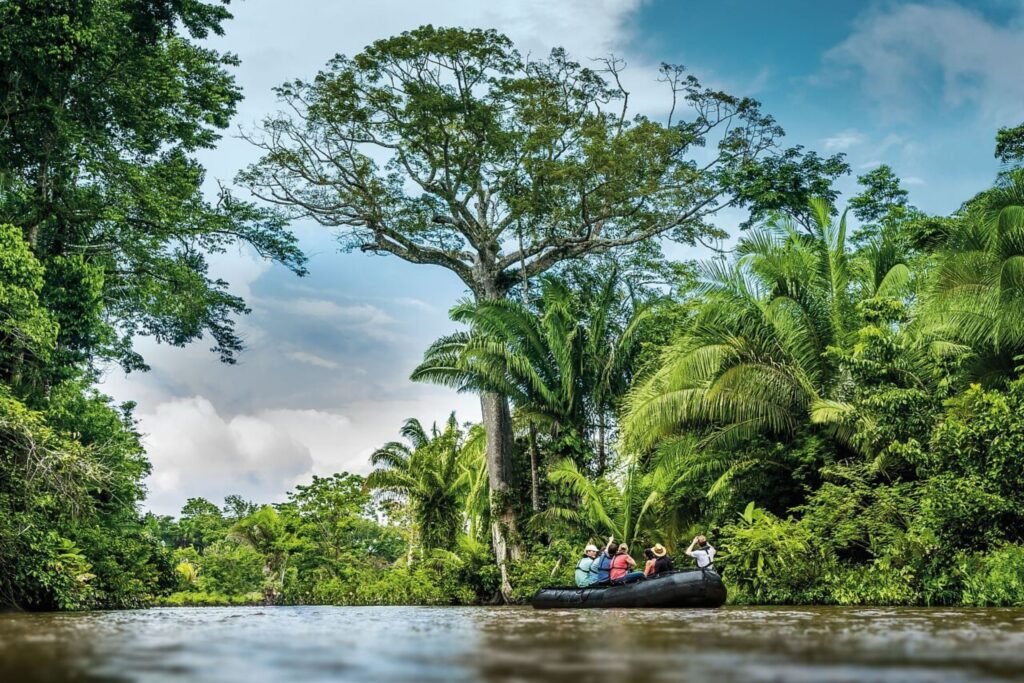
Most travellers picture the Amazon as a green blur seen from a boat deck. Hapag-Lloyd’s voyages between Belém in Brazil and Iquitos in Peru go further, tracing the river’s full length and stopping at riverside communities where local guides explain how life is actually lived here: the rhythm of the water levels, the fishing routines, the homes built to rise and fall with the seasons.
Zodiac excursions leave before sunrise, when the forest is at its most active, and it’s not unusual to spend an entire morning with pink river dolphins surfacing nearby, macaws overhead and sloths barely moving in the canopy. What stays with most guests, though, isn’t a single sighting. It’s the accumulated sense of having spent real time inside a place that few outsiders ever see up close.
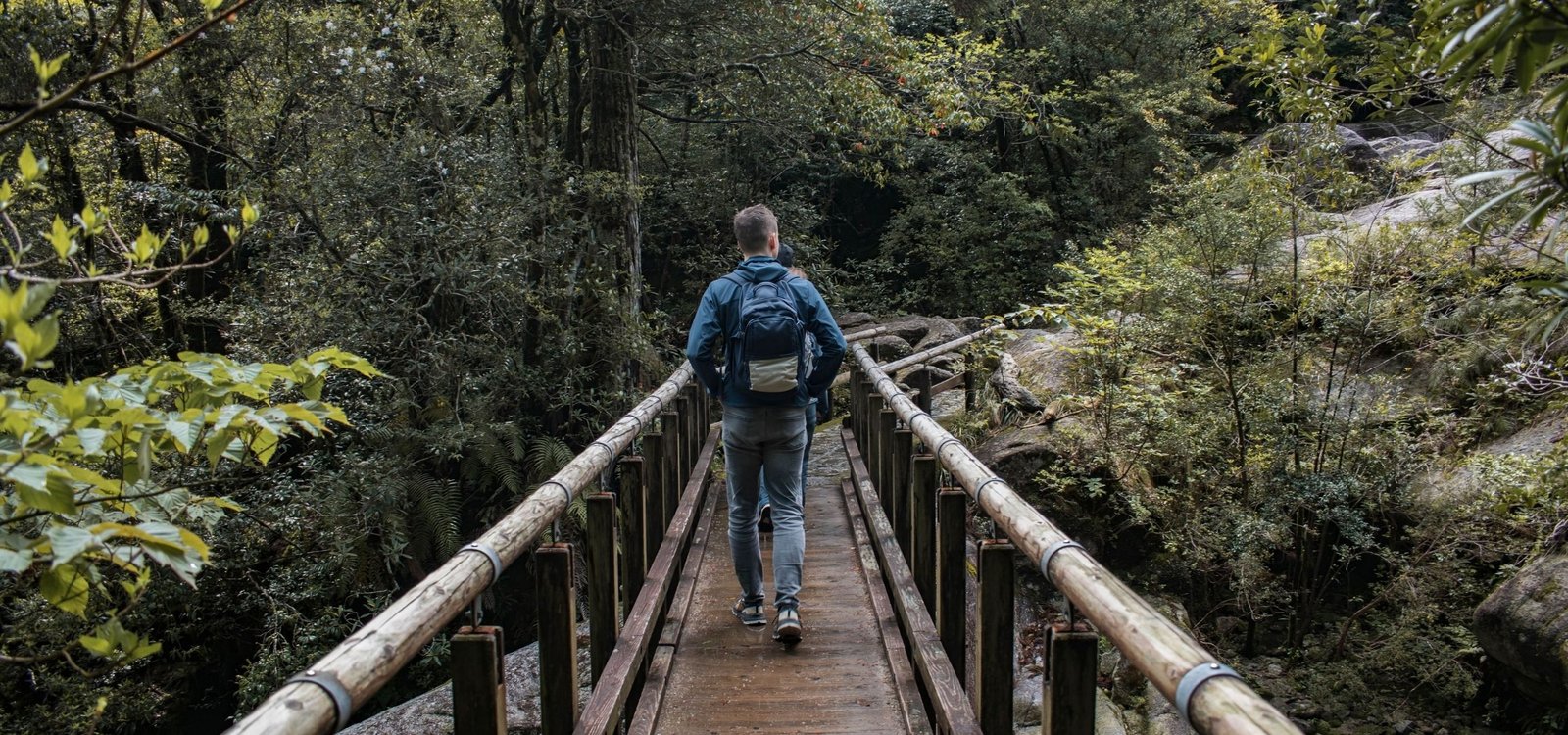
Most people picture Tokyo, Kyoto or the bullet train when they think of Japan. Hapag-Lloyd’s HANSEATIC spirit reaches a different Japan entirely, threading small ship itineraries through the Nansei Islands, a subtropical chain stretching more than 1,000 kilometres between Kyushu and Taiwan that most travellers, and most cruise ships, never see.
On Amami-Oshima, local weavers still produce Oshima Tsumugi silk using a 1,300-year-old technique once reserved for kimonos worn by nobility. Okinoerabu-Shima, largely untouched by tourism, is riddled with coral-formed limestone caves that few outside Japan have heard of. And on Yakushima, a UNESCO World Heritage island, mist settles over cedar forests thought to be thousands of years old, with peaks locals call the “Alps on the ocean.” Further north, on Sado Island, a small number of women still fish from round wooden barrel boats, a tradition that’s slowly dying out and rarely witnessed by outsiders.
These islands haven’t been shaped around visitors, because so few have ever come. For travellers who’ve already done Tokyo and Kyoto, this is the version of Japan that still feels undiscovered.
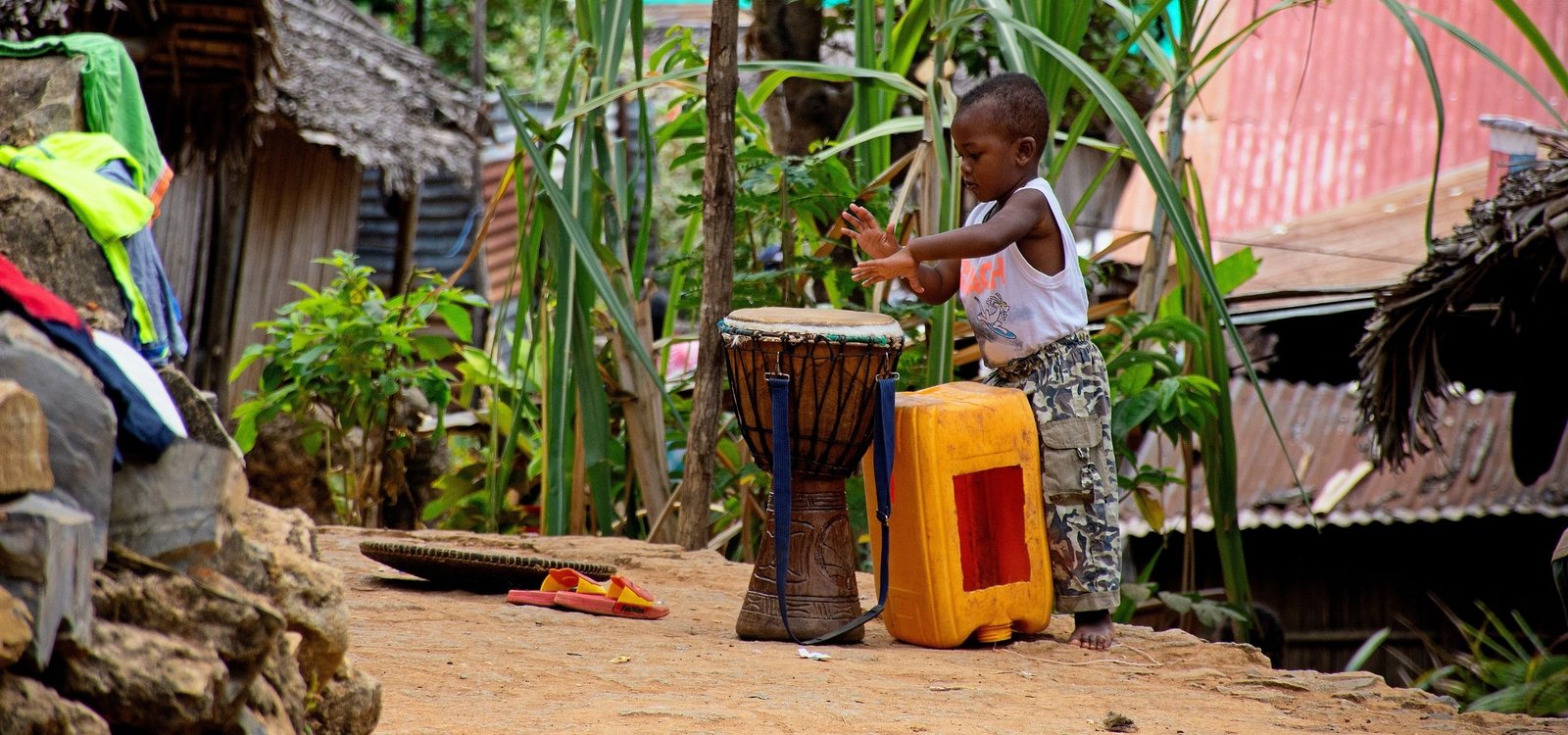
Sailing from Cape Town, with Table Mountain as a backdrop, Hapag-Lloyd’s Africa itineraries take in the Garden Route and stops such as Mossel Bay before continuing north-east across the Indian Ocean toward Madagascar, an island isolated from mainland Africa for so long that much of its wildlife exists nowhere else on the planet.
Shore excursions bring guests close to lemurs and Madagascar’s distinctive baobab trees, along with visits to coastal villages along the route. Many voyages extend further still, into the Seychelles and the remote Aldabra Atoll, one of the least disturbed coral atolls anywhere in the world. It’s a pairing of landscapes, dramatic African coastline and pure Indian Ocean isolation, that few other cruise itineraries attempt in a single voyage.
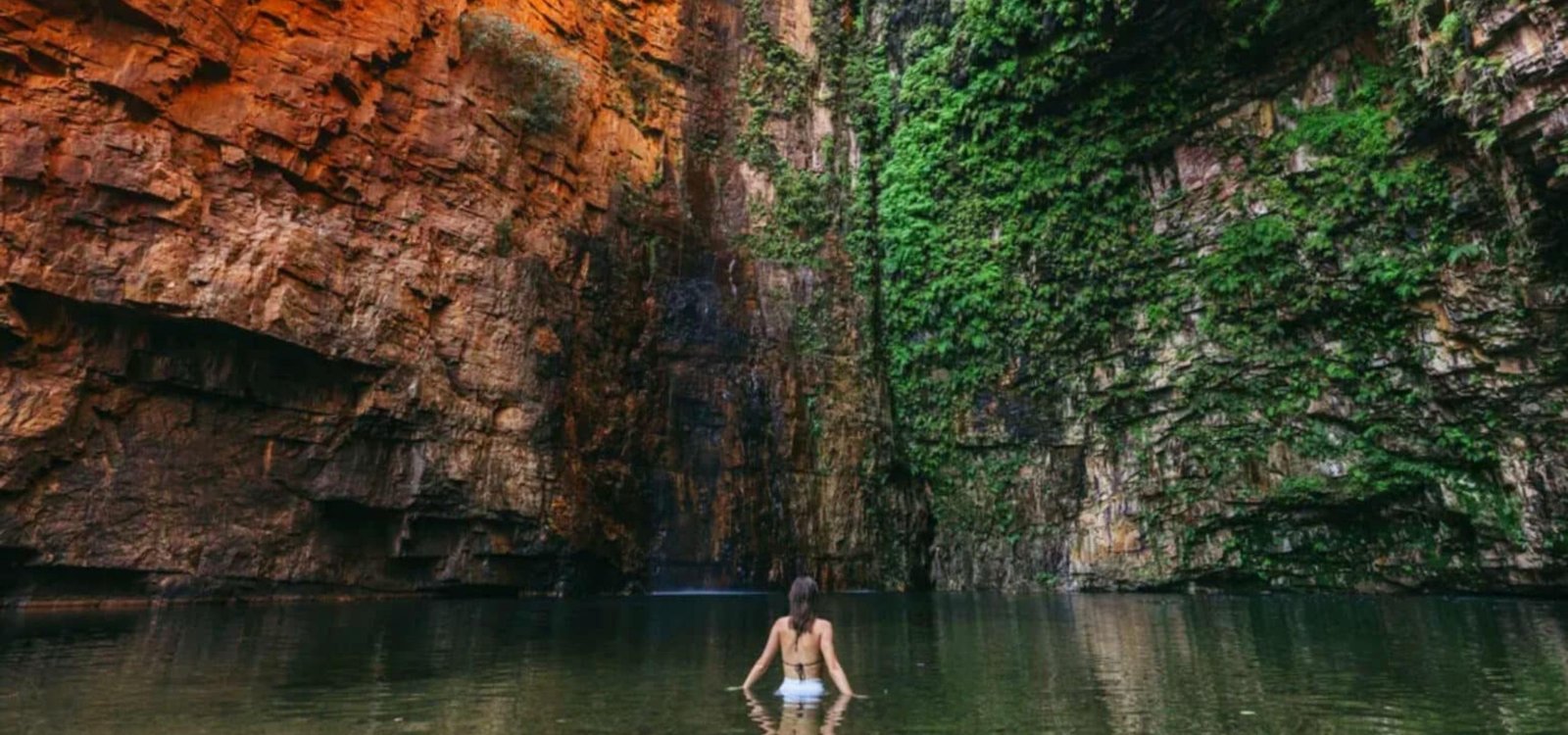
Closer to home for Australian travellers, Hapag-Lloyd Cruises is bringing HANSEATIC spirit to the Kimberley coast, with itineraries taking in the remote Montebello Islands, an archipelago of more than 170 uninhabited limestone islands formed from coral reefs over thousands of years. The rugged coastline here, threaded with bays, reefs and mangroves, is home to sea turtles, dugongs and seabirds including ospreys.
The Kimberley has long been considered one of the last true wilderness frontiers in Australia, and it takes a small, manoeuvrable ship to explore it properly, reaching tidal wonders like Montgomery Reef and landing by Zodiac in places most Australians will never see, despite them being part of their own coastline.
The Outer Hebrides, Orkney, Shetland and the Faroe Islands sit at the edge of most people’s map of Britain, and that’s exactly the point. These are places shaped by weather, isolation and centuries of a slower pace of life, and small ship access means Hapag-Lloyd’s expedition vessels can reach harbours that larger ships pass by entirely.
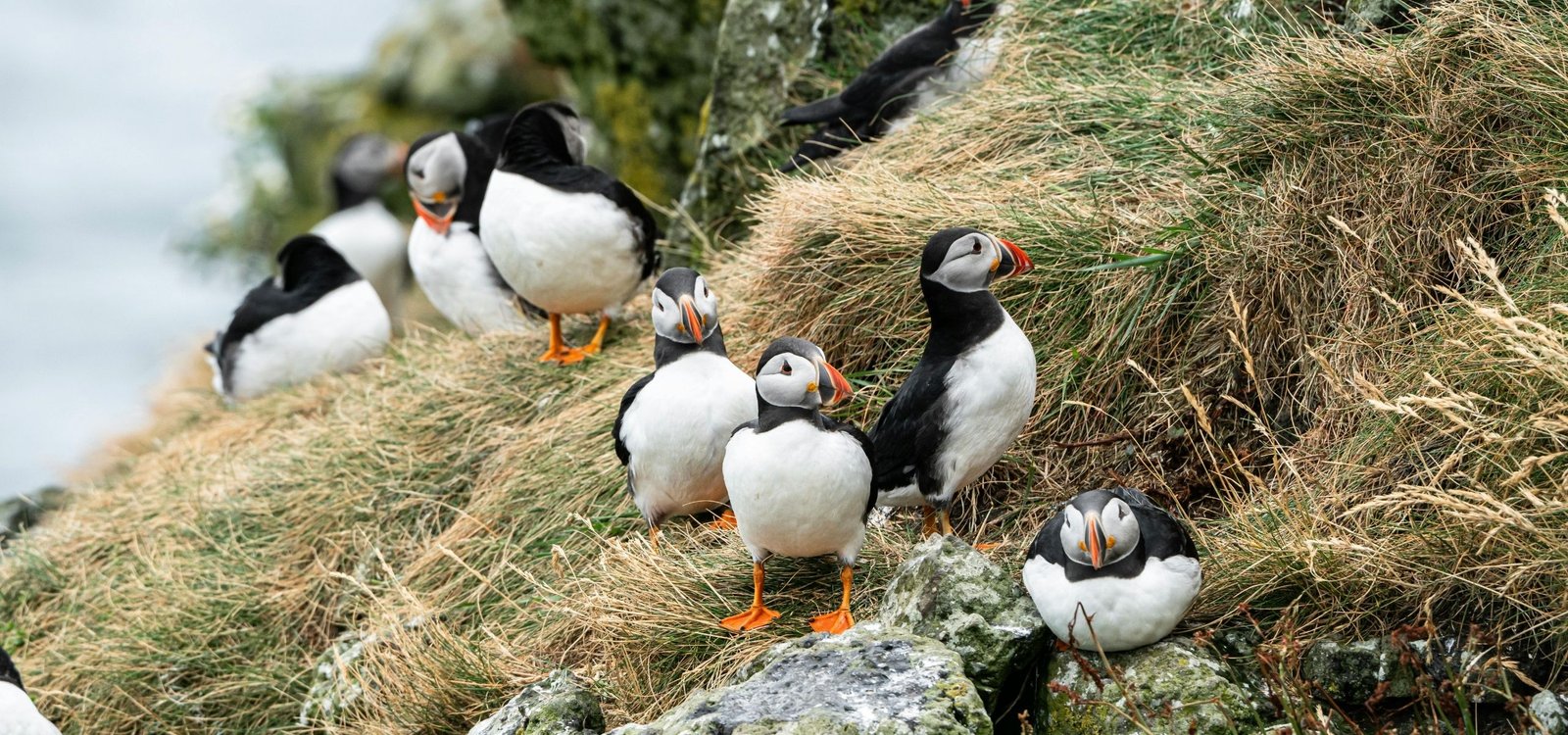
Standing among stone circles that predate Stonehenge, or walking through a working crofting community where wool is still spun by hand, has a different weight to it than reading about it in a guidebook. Add in puffin colonies, grey seals hauled out on the rocks, and the particular quality of northern light, and the appeal of this region has less to do with any single landmark and more to do with the accumulated feeling of a place that hasn’t been smoothed over for visitors.
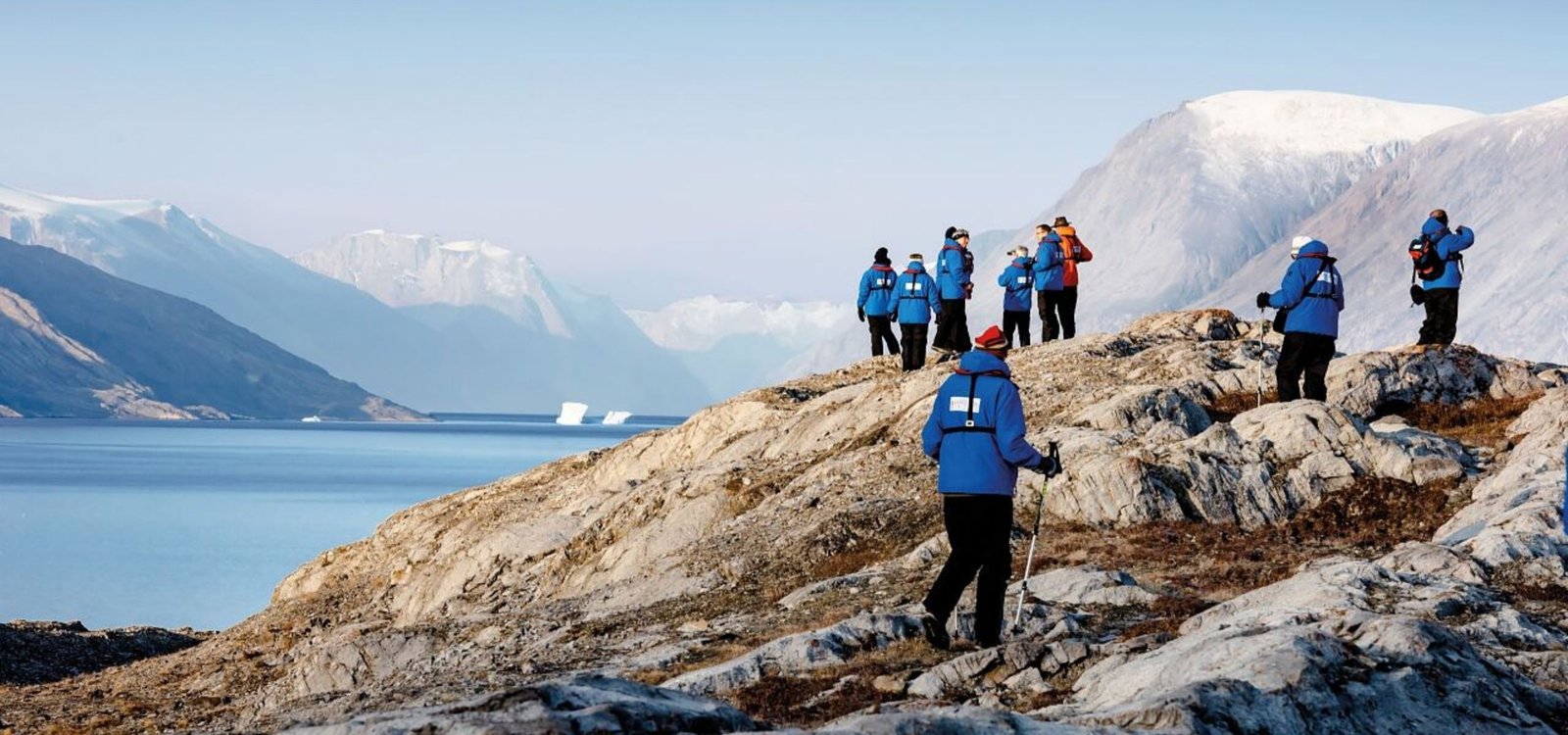
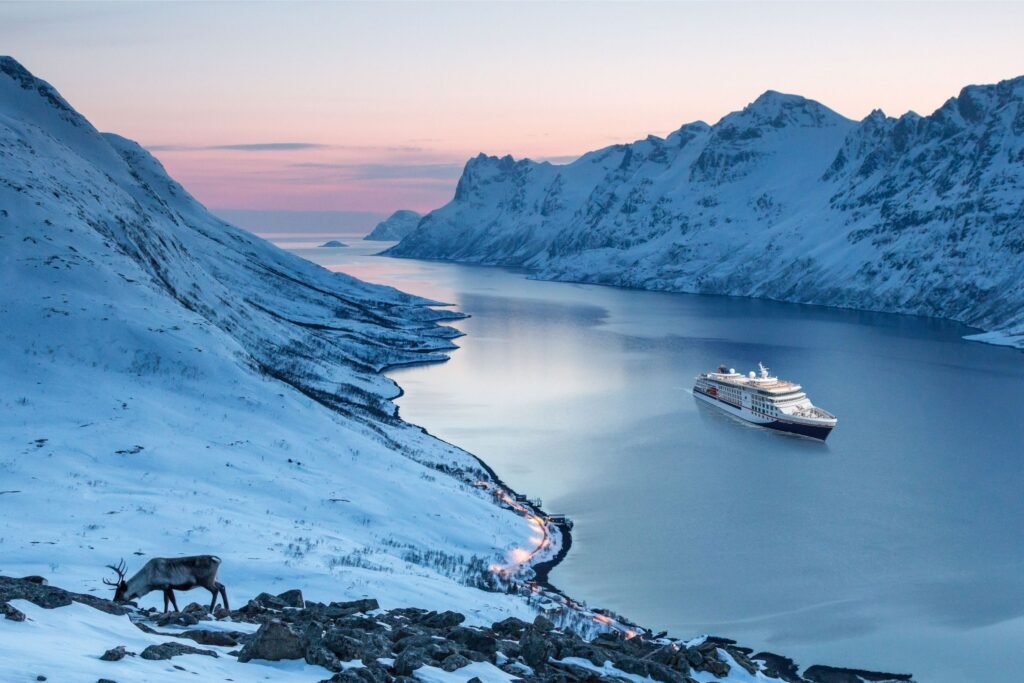
Greenland’s remote settlements, some home to only a few hundred people, sit against a backdrop of fjords, icebergs and a landscape so vast it tends to recalibrate a traveller’s sense of scale within the first day or two. Hapag-Lloyd’s Arctic summer voyages are built around Zodiac landings rather than a fixed port schedule, allowing itineraries to shift with the ice and the weather.
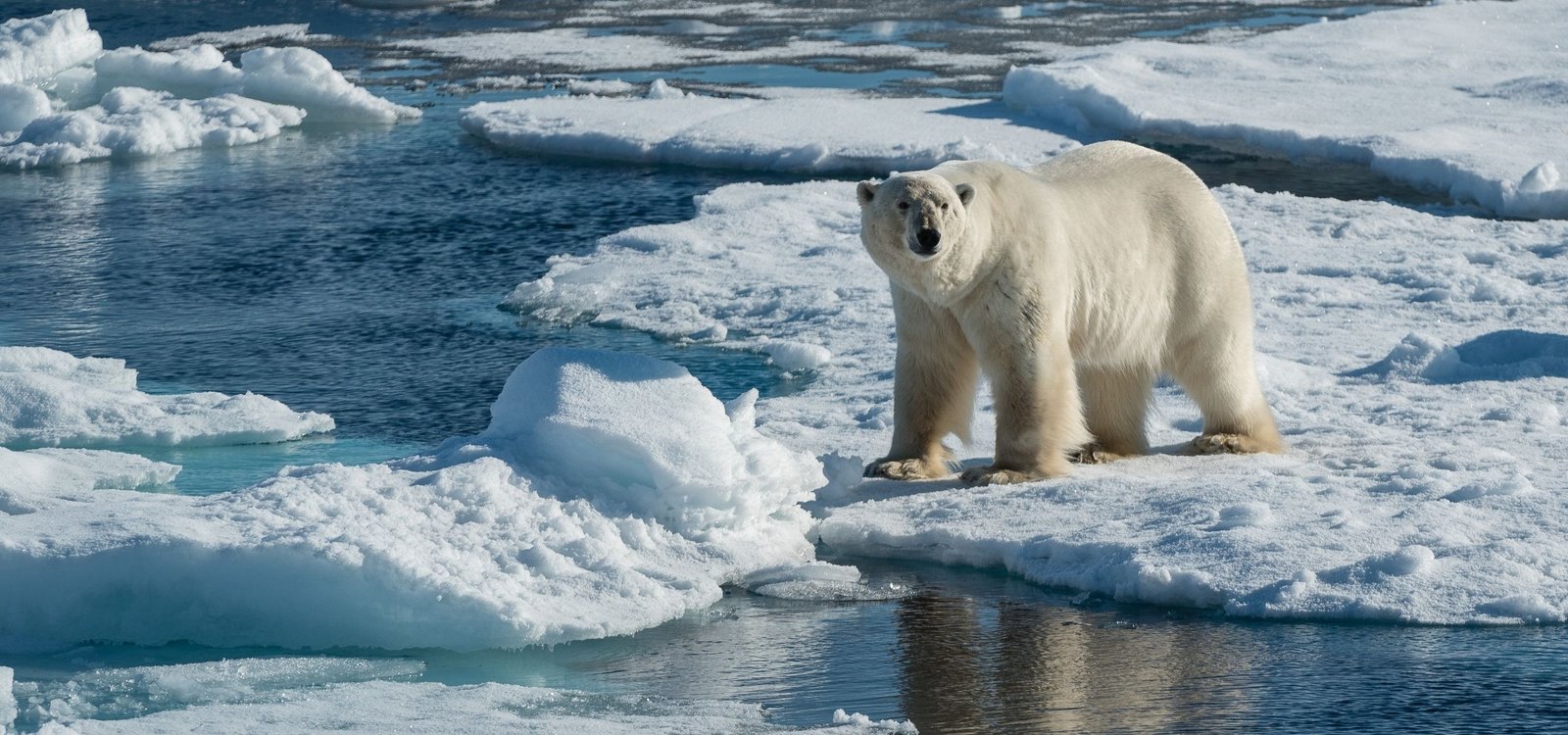
Onboard scientists and expedition leaders join daily briefings, adding context to what guests are seeing: the geology behind the ice, the history of Inuit settlement in the region, the wildlife that somehow makes a life here. Polar bears, whales and vast seabird colonies are common sightings, but many guests come away talking less about the wildlife and more about the silence, and how differently a place feels when there’s nothing between you and it.
None of these destinations are the easiest places to reach. That’s largely the point. A small ship can anchor where a large one can’t, land a Zodiac where there’s no dock, and spend an afternoon in a community of a few hundred people instead of rushing through a port built to handle thousands.
For travellers who have already done the well-known itineraries, this kind of access changes what a cruise can be. Less a list of ports, more a series of places actually met and understood, if only for an afternoon.
A recommended cruise expert can help you find the Hapag-Lloyd Cruises voyage that reaches the places you’ve been wanting to see for real.